Original Medicare in Connecticut
Table of Contents
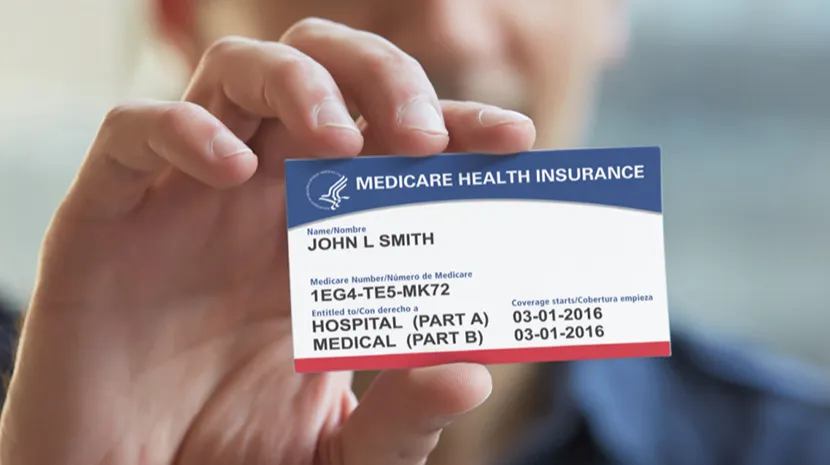
Original Medicare — the combination of Part A (hospital insurance) and Part B (medical insurance) — is the federal health coverage program that most Connecticut residents become eligible for at age 65. Understanding exactly what Original Medicare does and doesn't cover is essential before you decide whether to add supplemental coverage.
Since Medicare's creation in the 1960s, additional plan types have been introduced — Medicare Advantage, Medicare Supplement (Medigap), and Part D prescription drug plans. Each one builds on Original Medicare in a different way. Before exploring those options, it helps to know exactly what the baseline program provides for beneficiaries in Connecticut.
Nearly one million providers across the U.S. accept Medicare, and Connecticut is no exception. Because Original Medicare does not use provider networks, you can see any doctor or hospital in Connecticut that accepts Medicare — no referrals needed. That nationwide flexibility is one of the biggest advantages of staying on Original Medicare rather than switching to a network-based Medicare Part C plan.
What Is Covered by Original Medicare in Connecticut?
Original Medicare is split into two distinct parts, each covering different types of care for Connecticut residents:
- Part A (Hospital Insurance) — covers inpatient hospital stays, skilled nursing facility care, hospice care, and some home health services. Most Connecticut residents pay no monthly premium for Part A if they or a spouse paid Medicare taxes for at least 10 years. For more on what Part A includes, see our guide to Medicare Part A coverage.
- Part B (Medical Insurance) — covers doctor visits, outpatient care, preventive services, durable medical equipment (DME), and medically necessary lab tests. Part B carries a standard monthly premium that adjusts annually.
"Even though you've paid into Medicare through payroll taxes, that mainly covers Part A — hospital insurance — not everything," says Bill Green, a licensed Medicare agent in Florida. "Part B, which covers outpatient care like specialist visits, has its own monthly premium and usually only covers 80% of the cost after you meet the deductible. That means you're responsible for the remaining 20%."
Out-of-Pocket Costs Under Original Medicare in Connecticut
One important detail many Connecticut residents overlook: Original Medicare has no annual out-of-pocket maximum. That means your costs can keep growing if you need extensive care. Current-year deductible, premium, and coinsurance amounts are published on Medicare.gov. Here's how the cost-sharing works:
- Part A deductible — you pay this each benefit period (not once a year). A benefit period ends after you've been out of the hospital or skilled nursing facility for 60 consecutive days, so if you're re-admitted to a Connecticut hospital after that, a new benefit period begins and you may owe the deductible again.
- Part B deductible — paid once per calendar year. After that, you typically pay 20% coinsurance on Part B services with no upper limit.
- Part B premium — most beneficiaries pay the standard amount, though higher earners may pay more due to IRMAA surcharges. Learn about other Medicare penalties and how to avoid them.
According to Tony Capraro III, a licensed Medicare agent in New Hampshire, "Part B has a deductible each year and a 20% co-pay without a maximum out-of-pocket. That's why I always ask clients if they've looked into either a Medicare Supplement or a Medicare Advantage plan that can help with those Part B out-of-pocket costs."
This is exactly why many Connecticut beneficiaries add a Medicare Supplement plan — Medigap policies are specifically designed to cover the deductibles and coinsurance that Original Medicare leaves behind, giving you more predictable costs throughout the year. Beneficiaries who also qualify for Medicaid may have additional options through dual eligibility. You can check Medigap eligibility requirements to see if you qualify.
What Is Not Covered by Original Medicare in Connecticut?
Original Medicare leaves several common services uncovered for Connecticut residents. You'll need additional coverage for:
- Prescription drugs — Original Medicare covers some drugs administered in a clinical setting, but not medications you pick up at the pharmacy. You'll need a standalone Part D plan or a Medicare Advantage plan that includes drug coverage. Learn about Part D eligibility to get started.
- Vision care — routine eye exams and glasses are not covered.
- Dental care — routine cleanings, fillings, and dentures are excluded.
- Hearing aids — routine hearing exams and hearing devices are not covered. Some Medicare Advantage plans cover hearing aids.
- Long-term custodial care — extended nursing home stays for non-skilled care are not a Medicare benefit.
- Care outside the U.S. — with very limited exceptions, Medicare doesn't pay for services received abroad.
"Part A covers hospitalization, skilled nursing, and hospice. Part B covers roughly 80% of covered expenses, and there are no maximum out-of-pocket limits," says Don Golding, a licensed Medicare agent in Texas. "Neither Part A nor Part B covers prescription drugs. I recommend looking at either a Medigap plan or a Medicare Advantage plan to close those gaps."
Filling the Gaps: Medicare Advantage vs. Medicare Supplement in Connecticut
There are two main paths for Connecticut residents to add coverage beyond Original Medicare, and they work very differently:
Medicare Advantage (Part C) replaces Original Medicare with an all-in-one plan from a private insurer. Most Advantage plans include drug coverage and extras like dental, vision, and hearing — often with $0 additional premium. The trade-off is that you'll typically use a provider network (HMO or PPO) in Connecticut and may need referrals. If you're currently on Medicare Advantage and considering a change, learn how to switch from Medicare Advantage to Medigap. Check our Medicare Advantage FAQ or learn about Medicare Advantage eligibility to see if it's a fit.
"Medigap plans are the easiest to work with — no networks, no referrals, and possibly no deductibles. If Medicare covers the procedure, the gap plan will cover it," says Mark Murphy, a licensed Medicare agent in New Jersey. "Medicare Advantage plans are a little more difficult to use because of network restrictions."
Medicare Supplement (Medigap) works alongside Original Medicare rather than replacing it. You keep the freedom to see any Medicare-accepting provider in Connecticut — or anywhere in the country — and the Medigap policy pays some or all of the cost-sharing Original Medicare leaves you with. Compare popular options in our Plan G vs. Plan N breakdown. You'll still need a separate Part D plan for prescriptions.
According to Daniel Maisel, a licensed Medicare agent in California, "Medicare Advantage HMO plans limit your healthcare to your contracted network. Many of my clients prefer a Medigap plan because you can go to almost any doctor in the USA. When you are younger and healthier, that freedom matters a lot."
Choosing between these paths depends on your budget, your Connecticut doctors, and how much flexibility matters to you. A step-by-step plan comparison checklist can help you weigh the trade-offs side by side, or browse the best overall value plans for an overview of what works for most beneficiaries.
Turning 65 in Connecticut: How to Get Started with Medicare
If you're approaching age 65 or otherwise becoming eligible for Medicare in Connecticut, your Initial Enrollment Period is the best time to lock in coverage without penalties. Connecticut residents who aren't already receiving Social Security benefits enroll through the Social Security Administration. If you've already missed that window, you may qualify for a Special Enrollment Period.
To explore your options and find the right combination of plans for your needs and budget, compare plans on MedicareSignups.com or connect with a local Medicare agent in Connecticut who can walk you through the details.

Russell Haas, RSSA
Licensed Connecticut Medicare Agent
Contact Russell through Medicare Agents Hub »
Hi, I’m Russell Haas, a local independent Medicare insurance broker and Registered Social Security Analyst® serving clients throughout Connecticut.
I help people make sense of two of the biggest retirement decisions they will face: Medicare and Social Security. Many people look at these separately, but the timing of Medicare, retirement, income, spousal benefits, and Social Security claiming can all work together.
As a Comprehensive Retirement Planner and Medicare Broker, I help clients compare Medicare Advantage, Medicare Supplement, and Prescription Drug plan options. As a Registered Social Security Analyst®, I help individuals and couples understand Social Security claiming strategies and how those decisions may affect their lifetime retirement income.
My approach is personal, educational, and straightforward. I take the time to explain your options clearly so you can make informed decisions with confidence.
I am based in Naugatuck, Connecticut, and work with clients throughout the state, often meeting face-to-face. Whether you are turning 65, retiring soon, working past Medicare age, or wondering when to claim Social Security, I can help you understand the bigger picture.